
Minimum Impact Travel

Guidelines for Sustainable and Responsible Tourism

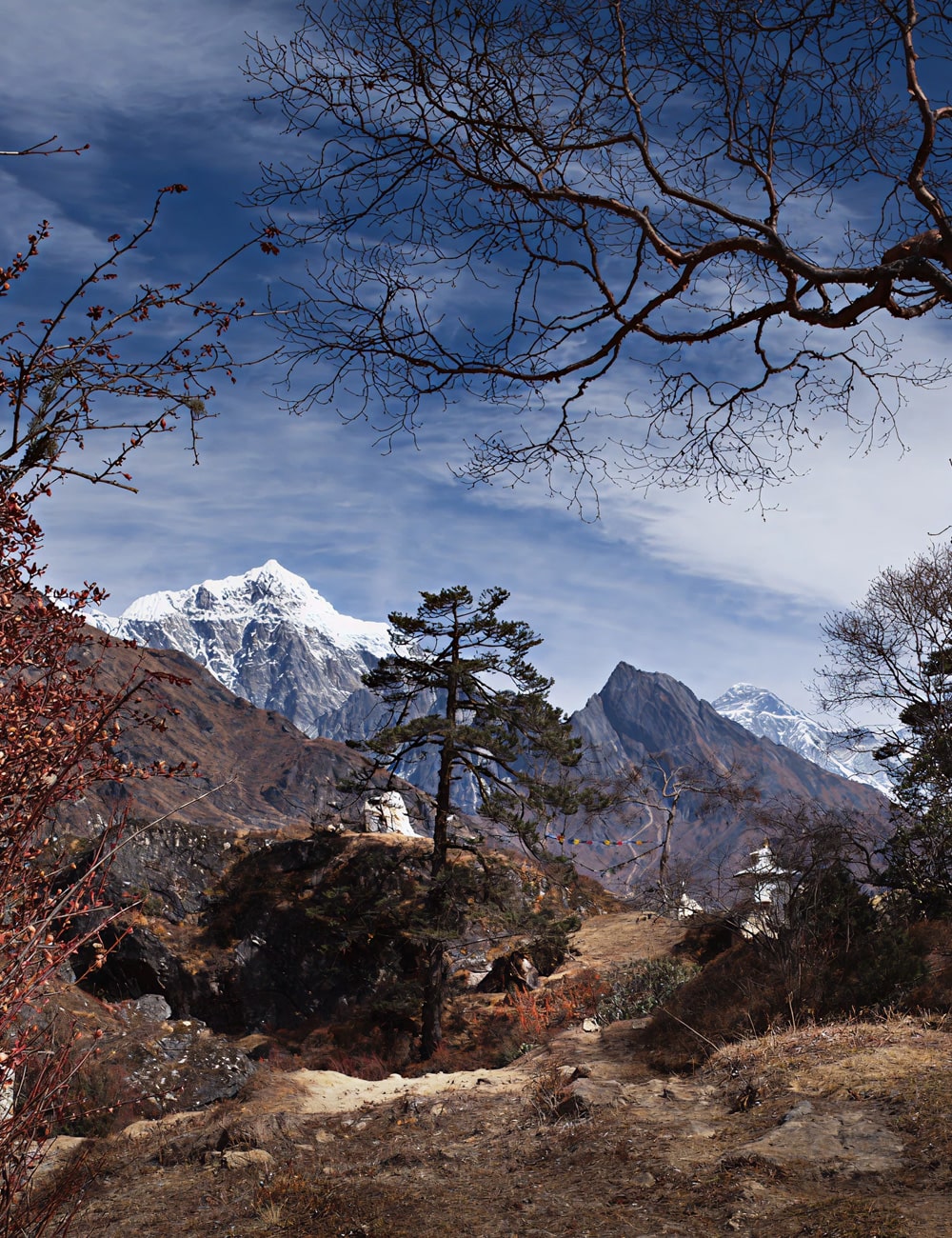
The extraordinary natural landscapes, rich biodiversity, and vibrant cultures of the Himalayas are precious assets that must be preserved for future generations. Minimum Impact Travel (MIT) is a protocol designed to balance the benefits of tourism with environmental conservation and cultural respect. By following MIT principles, travelers can enjoy the country responsibly while generating positive economic and social outcomes.

MIT Protocol: Practical Guidelines

Planning and Preparation

  • Research and prepare thoroughly for your journey, anticipating emergencies and potential obstacles.
  • Familiarize yourself with local regulations, including trekking, mountaineering, and protected area permits.


Environmental Awareness

  • Stick to established trails; avoid creating new paths or campsites.
  • Respect wildlife, plants, historical artifacts, and private property.
  • Leave all campsites and picnic areas as you found them.
  • Dispose of waste responsibly; never pollute water sources.
  • Minimize fire and fuel impacts; avoid cutting live timber and use lodges powered by solar or gas.
  • Fire is strictly banned in national parks and conservation areas.

Responsible Conduct

  • Respect other visitors, maintaining the tranquility of wilderness areas.
  • Be mindful of the impression left behind, including how your behavior impacts locals and ecosystems.

Economic Responsibility

  • Pay fair wages and tips to guides, porters, and staff.
  • Support local lodges by eating where you stay.
  • Purchase local goods and souvenirs to directly benefit the community.
  • Avoid giving sweets or money to children; instead, contribute to local schools or community groups.

Specific Activities and MIT Practices

White Water Rafting

  • Respect river ecosystems; maintain 50m distance from water sources for toilet use.
  • Carry out or burn all waste and toilet paper; avoid glass containers.
  • Do not disturb wildlife, especially during nesting seasons.
  • Use only fallen timber for fires and extinguish all traces afterward.
  • Ask permission and, if required, pay landuse fees when camping along riverbanks.
    Mountain Biking
    • Ride only on open trails; avoid creating new tracks.
    • Minimize soil erosion by not locking brakes or carving ruts.
    • Respect other trail users, local communities, crops, and sensitive habitats.
    • Carry first aid kits and prepare for mechanical or environmental emergencies.
    Overland Expeditions (4×4 & Off-Road Motorbikes)
    • Drive only in permitted areas; avoid fragile hillsides and rare flora habitats.
    • Maintain proper road etiquette, reduce noise pollution, and save fuel.
    • Comply with all signage and environmental guidelines.
    • Wash vehicles only in approved facilities to avoid contaminating local water sources.
    Trekking
    • Inform a responsible person if trekking solo; stick to planned routes.
    • Carry appropriate gear and follow all environmental guidelines.
    • Respect local culture, avoid loud music or disruptive behavior, and dispose of waste properly.
    • Walk in single file to prevent trail widening and soil erosion.
    • Ensure trekking poles have rubber caps to minimize environmental damage
    Cultural Respect
    • Understand and respect local customs, dress codes, and rituals.
    • Seek permission before photographing people or ceremonies.
    • Avoid giving gifts directly to children in need; work through responsible community channels.
    • Encourage authentic cultural exchanges without creating dependency or displaying wealth ostentatiously.

    Objectives of MIT

    The key aims of Minimum Impact Travel include:

    1. Economic benefit for the nation – supporting the national economy through responsible tourism.
    2. Economic benefit for local communities – contributing directly to the livelihoods of those in areas visited.
    3. Minimizing environmental impact – reducing the negative effects of travel and tourism on fragile ecosystems.
    4. Preserving local cultures and customs – respecting traditions, rituals, and social norms.
    5. Meeting stakeholder expectations – ensuring a safe, respectful, and enriching experience for all involved.
    hand-shake

    Meeting Stakeholder Expectations

    Tourism involves multiple stakeholders—local communities, fellow travelers, and service providers. MIT emphasizes:

    • Value for Money – pay fair prices without aggressive bargaining.
    • Respect – treat people, animals, and environments ethically.
    • Communication – exchange information politely and respectfully.
    • Safety – ensure your actions do not compromise others’ well-being.
    shield

    Travel Safely, Responsibly and Compassionately

    Thoughtless travel can destroy wildlife habitats, pollute natural resources, and undermine cultural traditions. By adopting MIT principles, travelers reduce their ecological footprint, support local economies, and contribute to the sustainable preservation of Himalayan unique landscapes and communities.


    Remember: Every Action Gets Accumulated!!!

    Every Steps You Take are Valuable,  Travel Consciously, Show Compassion to Bio-Diversity, Be Friendly to All Sentient Beings, Show Equanimity to Local Culture and People, Be Appreciative to the Nature, Respect Local Environment and Leave Himalaya at its Authenticity.