
Everest-Sherpa Culture Trek
Trip Overview
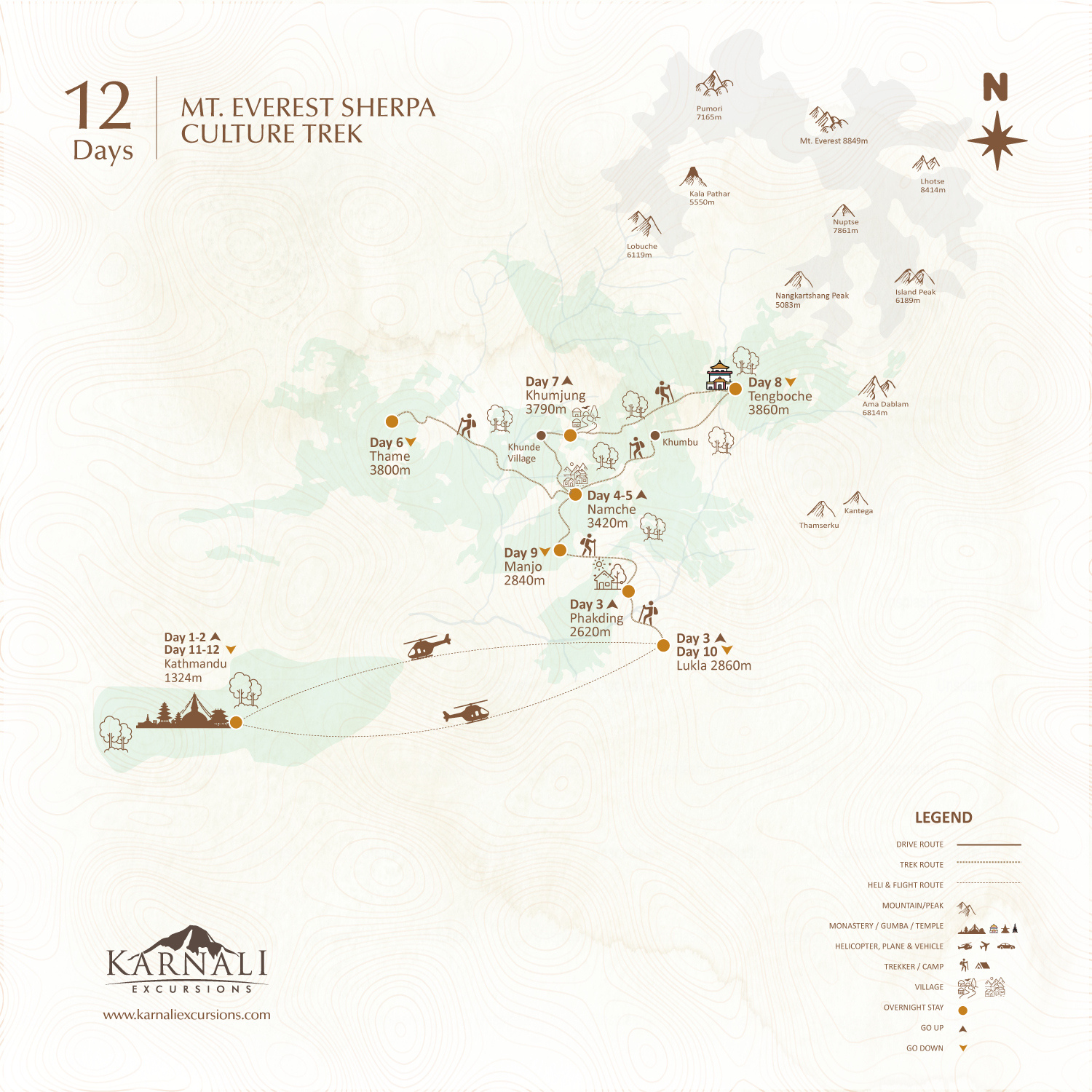
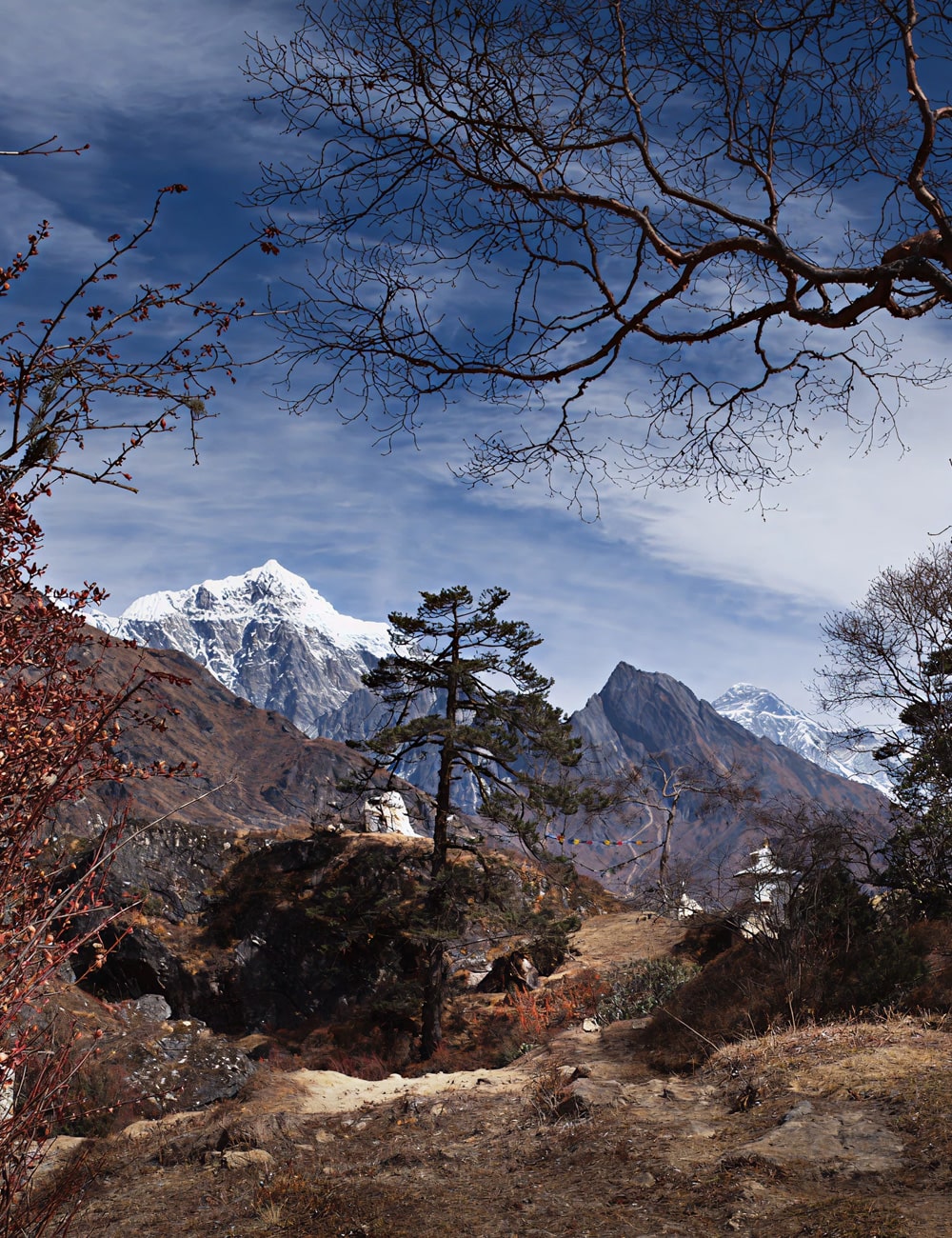
The Everest Sherpa Culture Trek is a culturally engaging Himalayan trekking and adventure experience that unfolds across the soulful landscapes of Everest region of Nepal. The trekking route passes through river-fed valleys, pine and rhododendron forests, terraced hillsides, traditional Sherpa settlements, offering a graceful balance of natural beauty, cultural insights, and gentle adventure. This journey is an excursion to the living Himalayan cultural landscape consecrated by Buddhist spiritual practices of the Sherpa communities.
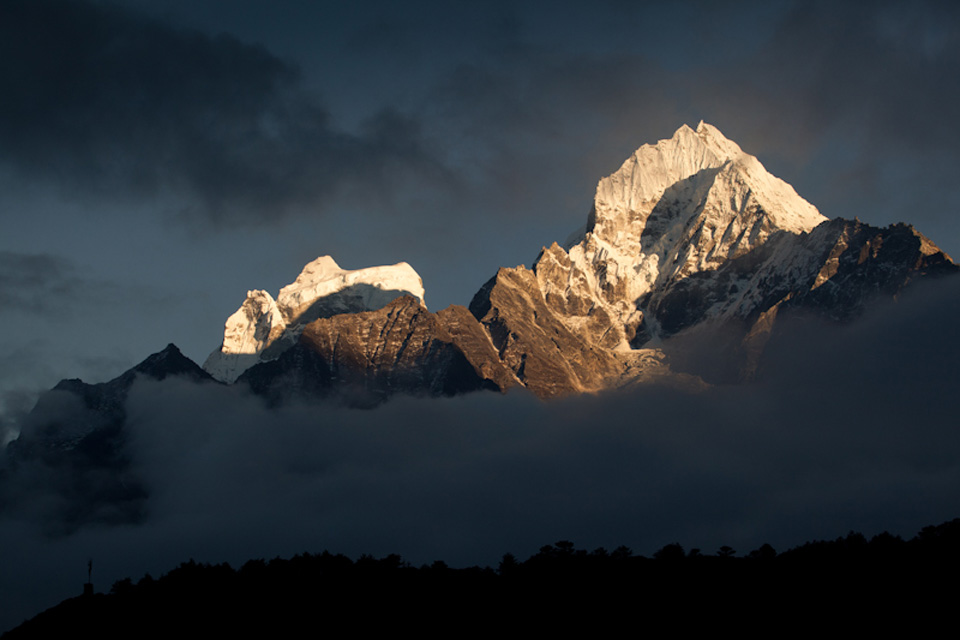
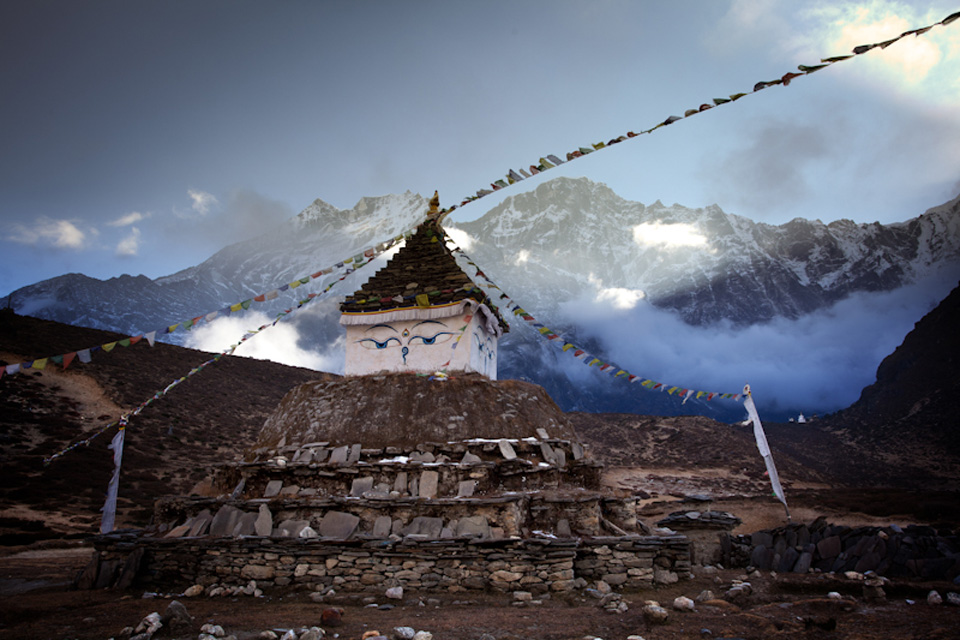
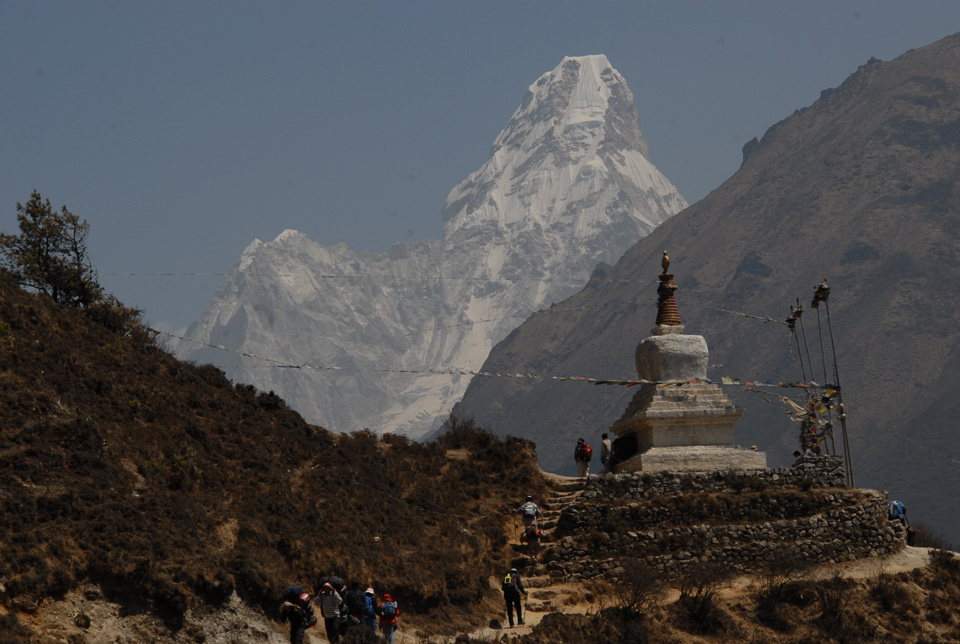
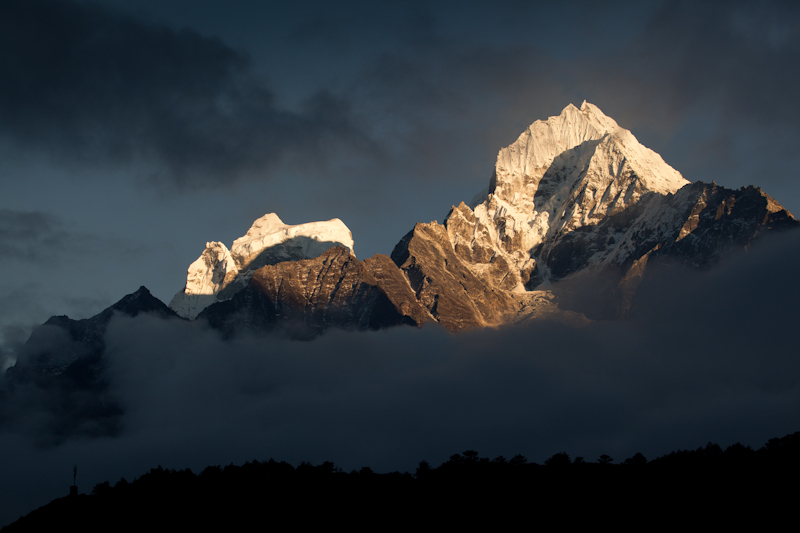
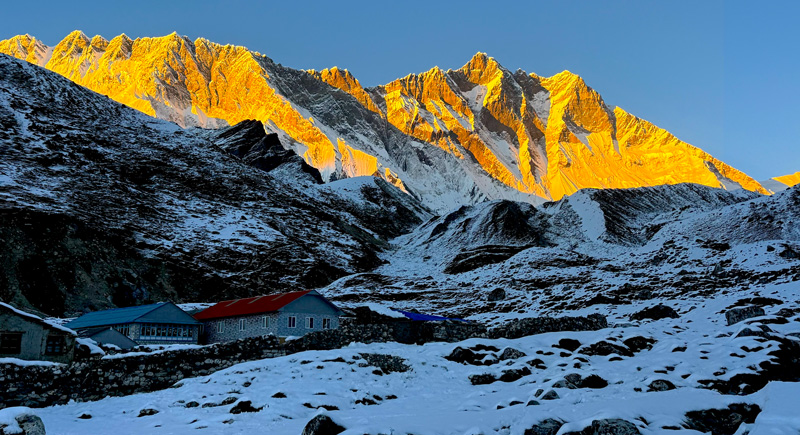
The experience is shaped by relaxed yet meaningful trekking through culturally vibrant villages such as Namche Bazaar, Thame, Khumjung, Monjo, and Tengnoche, each revealing a different facet of Sherpa heritage. The trek offers an opportunity to explore the sacred Tengboche and Thame monasteries, and immerse in Buddhist cultural markers: mani walls, chortens, prayer flags, stupas, mani wheels, and many more, connecting to the spiritual root along the route. The trekkers get the awe-inspiring views of Mount Everest, Ama Dablam, Lhotse, and Nuptse in the tranquil Himalayan setting allowing them to meditate and connect with the pristine nature and authentic culture. The journey is a culturally rich alternative to high Himalayan expeditions, allowing the travelers adequate time to absorb in the cultural encounters, focusing on the exploration of Sherpa life and cultural heritage rather than summit pursuits.
The Sherpa culture and hospitality, Himalayan simplicity, authentic lifestyle, clustered settlements create an experience of the lifetime. This journey is curated for cultural explorers, mindful travelers, first-time to seasoned Himalayan trekkers who wish for meaningful adventure, authentic human connections and a deeper understanding of social fabrics of the Himalayas in the Mt. Everest region.


Trip Highlights
-
 Visit Famous Sherpa Monasteries: Tengboche and Khumjung
 -
Spectacular Mountain Views: Mt. Everest, Ama Dablam, Lhotse, and Nuptse
-
Authentic Sherpa Culture: Sherpa community and Cultural Exploration
-
World Heritage Sites in Kathmandu: Boudhanath Stupa, Pashupatinath Temple, and Kathmandu Durbar Square
Detail Itinerary

Resources
-
-
 Essential Information
Essential Information on Mt. Everest Sherpa Culture Trek
The Sherpa People: Protectors of Himalayan Culture and Heritage around Mt. Everest Region
People and Culture
The Everest region, encompassing the Sagarmatha National Park, a UNESCO World Heritage Site, is not just a natural marvel but also a vibrant cultural landscape shaped by the Sherpa people. These resilient descendants of Tibetan ancestry have called the southern foothills of Everest home for over 500 years, residing primarily in the Solukhumbu district. Their settlements span the valleys and villages of the region, while many have also established themselves in Kathmandu, contributing significantly to urban life.
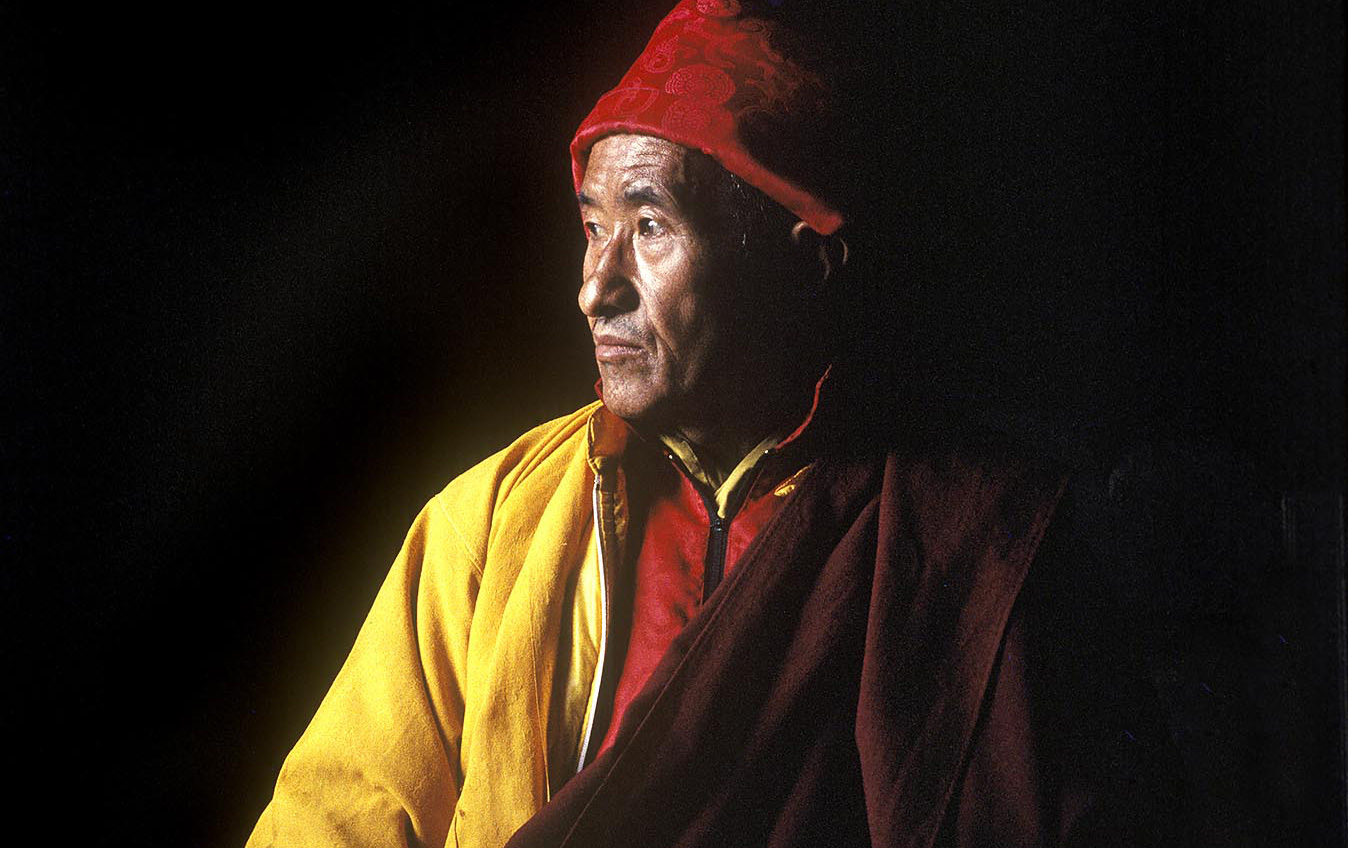
The Himalayas are more than a geographical feature for the Sherpa—they are a spiritual and cultural anchor, symbolizing their austere yet fulfilling way of life. Known for their warmth, industriousness, and spirituality, the Sherpa people have cultivated a unique cultural identity deeply intertwined with their mountainous environment.
Sherpa Culture
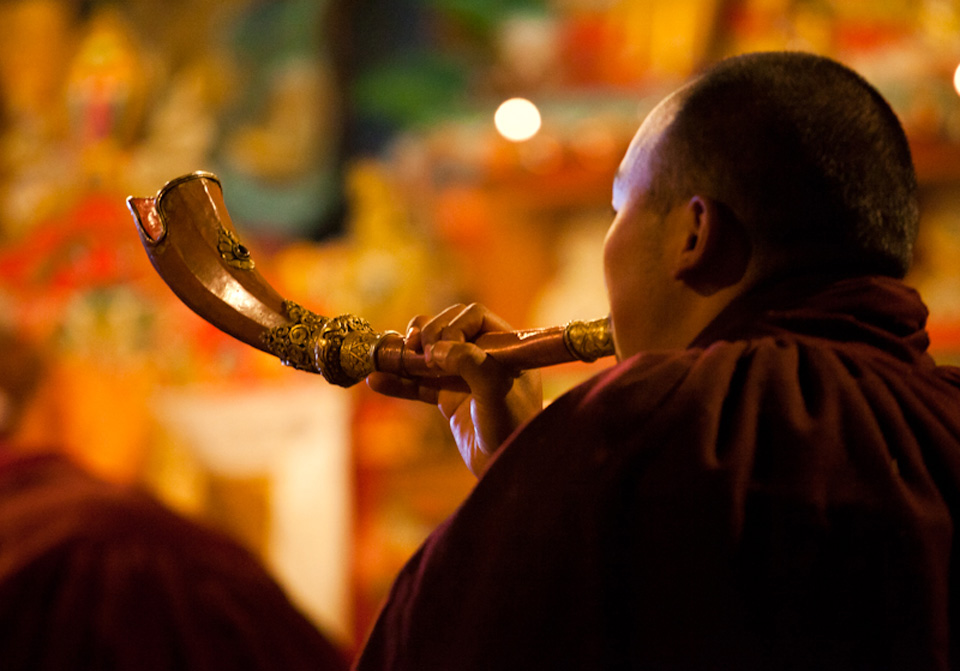
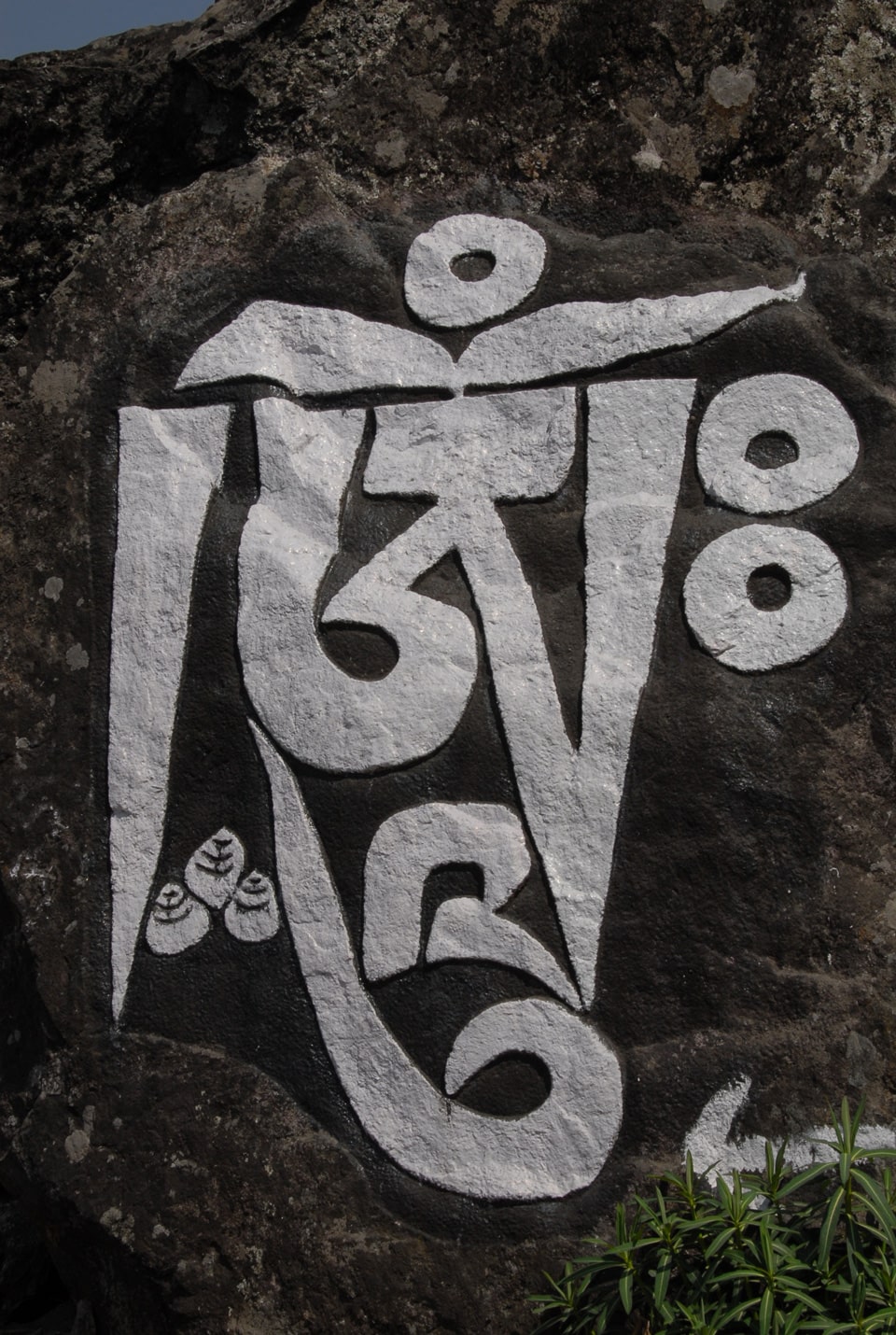
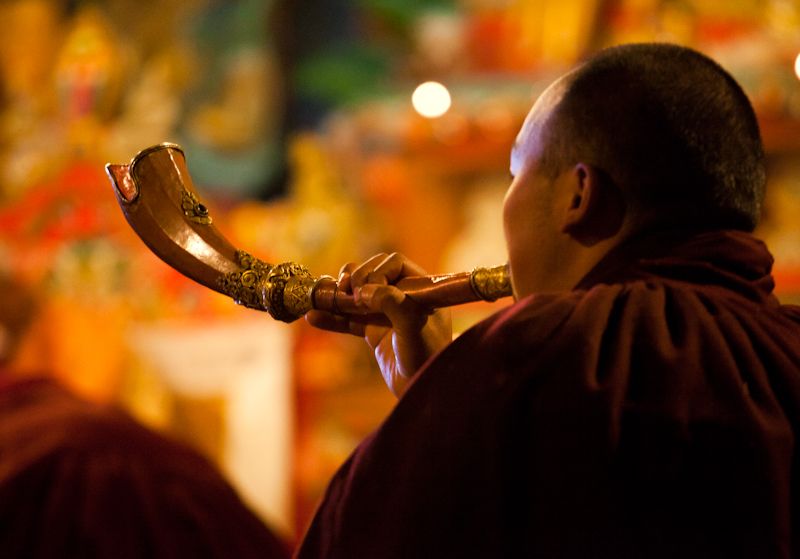
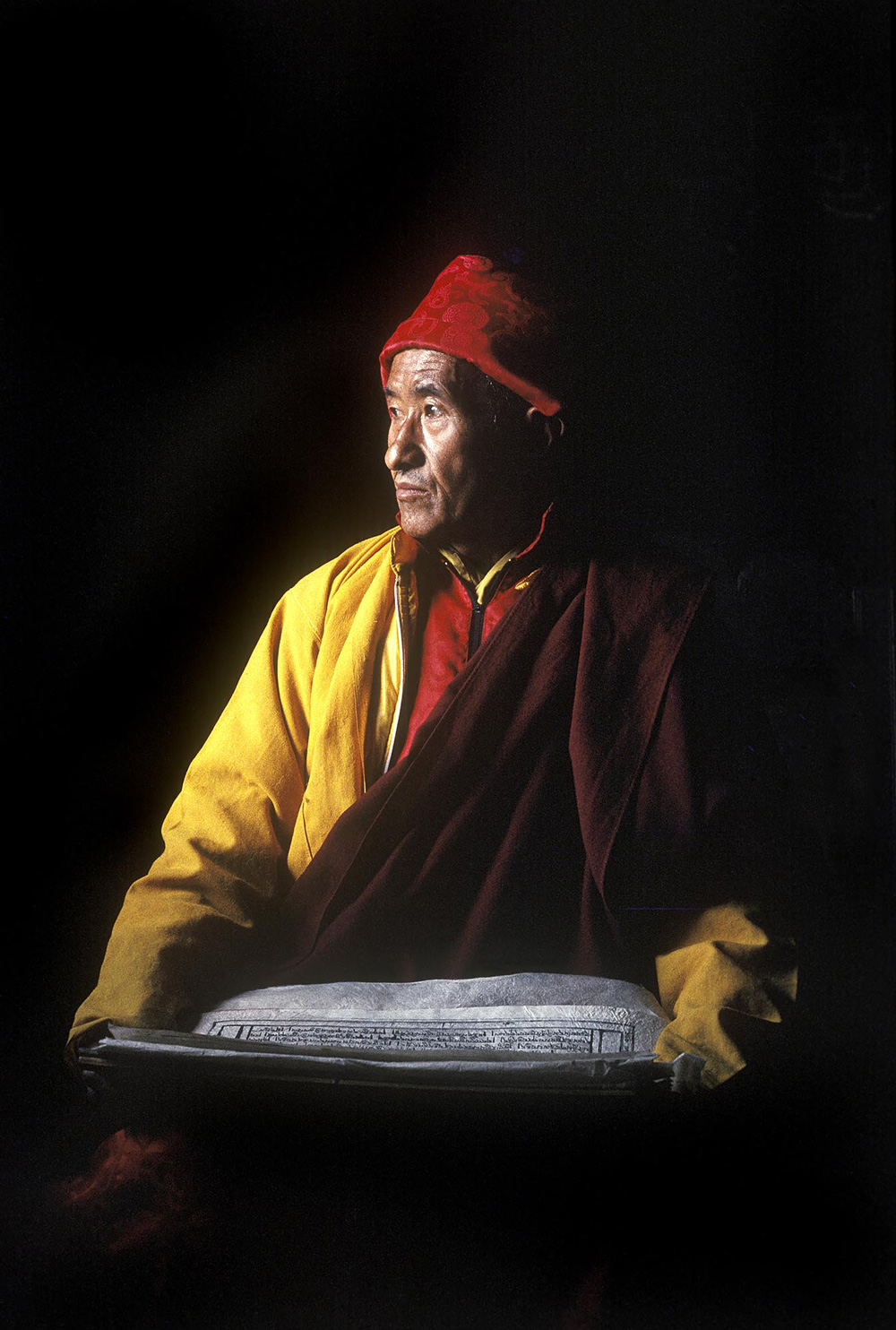
At the heart of Sherpa culture lies Buddhism, a guiding force that shapes their daily lives and community dynamics. Monasteries serve as spiritual and cultural hubs, representing harmony and acting as the custodians of religious practices. Sacred symbols like mani stones, chortens, and prayer flags dot the landscape, infusing the natural environment with spiritual significance.
Sherpa Hospitality
Hospitality is a hallmark of Sherpa life. Guests are greeted with a Khada (a scarf with spiritual value) or garlands of marigolds, gestures that embody their warmth and respect. The offering of traditional Sherpa tea, churned with fresh yak milk and butter, adds to the sense of welcome, creating a bond between visitors and hosts that transcends language and cultural differences.
Cultural Festivities
The Mani Rimdu festival is a significant celebration marking the arrival of Buddhism in Tibet by Guru Rinpoche. The festival is typically organized in the autumn, coinciding with the full moon of the ninth Tibetan lunar month, which usually falls in October or November. The exact dates vary each year depending on the lunar calendar. This sacred festival is celebrated over several days at the Tengboche Monastery, and it marks an important time of religious rituals, masked dances, and community gatherings to commemorate the establishment of Buddhism in Tibet by Guru Rinpoche. This festival features vibrant masked dances, traditional music, and reenactments of Buddhist teachings. The sacred performances, exclusive to the festival, symbolize the triumph of good over evil, reinforcing the community’s spiritual values and cultural heritage.
Marking the Sherpa New Year on the lunar calendar, Losar is another major cultural festivity. Celebrated in February, it heralds the onset of spring and the return of Sherpa families to their highland homes after wintering in the lowlands. The festival is a time of reunion, renewal, and celebration, encapsulating the cyclical harmony between the Sherpa way of life and the natural environment.Tangible and Intangible Cultural Heritage
The Sherpa people’s cultural heritage is both tangible, seen in their monasteries, chortens, and Mani walls, and intangible, embodied in their oral traditions, spiritual practices, and festivals. Sacred landscapes, rituals, and traditional knowledge systems form a living narrative that connects the past to the present.
Beyond the Mountains
While the Sherpa are globally recognized for their expertise in mountaineering, not all Sherpas are climbers. Many are involved in professions ranging from business to politics, and their influence extends well beyond the Everest region. However, their enduring connection to the mountains continues to define their cultural identity, making the Sherpa people an inseparable part of the Everest story. Through their spirituality, resilience, and unwavering hospitality, the Sherpa embody the soul of the Himalayas, preserving a cultural heritage as timeless as the peaks they call home.
-
 Trip Preparation Guide
Trip Preparation Guide
High-Altitude Trekking & Adventure in NepalBy Karnali Excursions
Introduction: Preparing for the Himalaya
Trekking in the Himalaya is a deeply rewarding experience that combines physical challenge, natural beauty, and cultural immersion. At Karnali Excursions, your safety, wellbeing, and comfort are central to our operational philosophy. High-altitude journeys require thoughtful planning, realistic expectations, and responsible pacing. This guide outlines essential information to help you prepare for a safe, enriching, and meaningful adventure in Nepal.
1. Nepal Visa Information
Most travelers can obtain a Visa on Arrival at Tribhuvan International Airport, Kathmandu.Key Requirements:
- Passport valid for at least 6 months
- At least one blank page
- Passport-size photographs
- Visa fee payable in cash (USD preferred)
Visa Duration Options:
- 15 days / 30 days / 90 days
Travelers may also apply online via Nepal’s official immigration portal prior to arrival. Entry requirements may change; always check official advisories before departure.
You can obtain this from your nearest Nepal Embassy or Consulate, or upon arrival at Kathmandu Airport. For more details, visit Nepal Immigration .
1. Department of Immigration, Government of Nepal– main portal for visa information & online services
https://www.immigration.gov.np/Immigration Nepal2. Online Visa Application Portal(official)
https://nepaliport.immigration.gov.np/(used for pre-arrival visa forms like tourist visa form)2. Post-Pandemic Travel Considerations
Travel regulations may include health declarations or documentation. We strongly advise checking current entry requirements shortly before departure to avoid disruption.3. Understanding Trekking in Nepal
Trekking involves sustained walking on established mountain trails, not technical climbing. A typical trekking day includes 5–7 hours of walking with frequent rest stops. Our itineraries prioritize enjoyment, safety, and acclimatization rather than speed or endurance.
4. Fitness & Physical Readiness
You do not need prior trekking experience, but reasonable fitness is essential. Cardiovascular training, walking on uneven terrain, and core strength improve comfort at altitude. Porters carry most equipment; trekkers walk with a light day pack only.
5. Acclimatization & Altitude Safety
Altitude affects everyone differently. Karnali Excursions follows internationally accepted protocols:
- Rest & Recovery days
- Maximum sleeping altitude gain of 300–400m
- “Climb high, sleep low” principle
- Hydration, nutrition, and steady pacing
Guides are trained in altitude illness recognition and emergency response.
6. A Typical Day on Trek
- Morning: Breakfast, packing, gentle start
- Midday: Lunch after 3–4 hours of walking
- Afternoon: Short walk, arrival by mid-afternoon
- Evening: Dinner, rest, early sleep
7. Trek Support Team
Your journey is supported by:- Licensed Trekking Guide
- Sherpa support staff
- Porters or pack animals
- Professional cook (on camping treks)
Ethical treatment, fair wages, and responsible workloads are strictly maintained.
8. Accommodation Options
- Tea-house/Lodge Treks: Family-run mountain lodges
- Camping Treks: Fully supported expedition-style camps
- Cities: Comfortable 3–5 star hotels (or upgraded options)
Accommodation is generally twin-sharing, with single supplements available.
9. Food & Nutrition
Nutritious, freshly prepared meals are provided daily. Vegetarian and dietary-specific meals are available with advance notice. Hydration and warm food are essential at altitude.
10. Essential Equipment
Key items include:- Waterproof jacket & layers
- Trekking boots (well broken-in)
- Sleeping bag (–10°C to –20°C)
- Day pack
- Sunglasses, sunscreen, trekking poles
A detailed packing list will be provided before departure.
11. Environmental Responsibility
We practice Leave No Trace trekking:
- No firewood use
- Waste carried out responsibly
- Respect for fragile alpine ecosystems
12. Cultural Etiquette
- Greet with “Namaste”
- Dress modestly
- Ask before photographing
- Walk clockwise around stupas and mani walls
Respecting local culture enhances both your experience and community wellbeing.
13. Insurance & Emergency Protocols
Comprehensive travel insurance is mandatory, covering:
- High-altitude trekking
- Emergency evacuation
- Medical treatment
Helicopter evacuation is available when weather permits.
14. Trekking Seasons
- Spring (Mar–May): Flowers & clear mornings
- Autumn (Oct–Nov): Best visibility
- Winter (Dec–Feb): Quiet & cold
- Monsoon (Jun–Aug): Limited routes; rain-shadow regions recommended
Final Note
High-altitude trekking is not a race, it is a journey of patience, awareness, and humility. With thoughtful preparation and the guidance of Karnali Excursions, your Himalayan adventure will be safe, transformative, and unforgettable.
-
 Recommended Readings
Recommended Readings
01.Into Thin Air
03.Everest, A Trekkers’ Guide
05.Nepal Himalayas
07.Frommer’s Nepal09.Nepal: An Essential Handbook for Trekkers
11.The Pocket Doctor
13.Pocket First Aid and Wilderness Medicine
02.Trekking in the Everest
04.Sagarmatha, Mother of the Universe: The story of Mt.Everest National Park
06.The Rough Guide to Nepal08.Trekking in the Nepal Himalaya10.Trekking in Nepal12.Mountain Sickness -
 Fixed Departures Dates
Fixed Departure Dates
SN Name of the Trekking Fixed Departure Dates Number of Days 1. Everest-Sherpa Culture Trek TBA 12 days
Trip Extension
- Experience an exhilarating jungle safari inside Chitwan National Park.
- Encounter one-horned rhino, Bengal tiger, and gharial.
- Immerse in authentic Tharu culture and their performative arts.
- Explore one of Nepal’s most pristine wilderness areas, home to tigers, elephants, and rich biodiversity.
- Experience guided jungle walks, jeep safaris, and tranquil Karnali River.
- Immerse in Tharu culture with authentic village visits and traditional hospitality.
- Visit the Maya Devi Temple and sacred Marker Stone at the birthplace of Buddha.
- Explore the UNESCO World Heritage Site and Several Buddhist monasteries.
- Discover ancient archaeological sites of Tilaurakot and Ramagrama.
- Meditate in the sacred garden and pond of Lumbini.
- Gain deep cultural and historical insight with expert-guided tours across the Greater Lumbini Region.
- Experience thrilling Class III–IV rapids on one of Nepal’s steepest and most exciting rafting rivers.
- Enjoy dramatic mountain scenery and pristine river gorges throughout the adventure.
- Stay overnight in a comfortable riverside camp with great food and expert rafting guides.
- Enjoy a fun-filled rafting experience with moderate rapids.
- Glide through scenic valleys, terraced hillsides, and impressive rock formations along the Trishuli River.
- Benefit from expert safety instruction and a well-coordinated day trip with professional rafting guides.
- Explore the sacred heritage of Barahakshetra and Kaushiki Region.
- Discover the cultural and religious significance of Janakpurdham, the birthplace of Sita.
- Immerse in the rich biodiversity and wildlife of Chitwan National Park.
- Visit Lumbini, the birthplace of Lord Buddha, with its monasteries and stupas.
- Experience authentic Nepali culture through local traditions, cuisine, and colorful lifestyles.
- Explore authentic Bhutan and Buddhist monasteries.
- Immerse in Bhutanese culture and traditions.
- Witness breathtaking Himalayan landscapes and panoramic mountain views.
- Witness the beauty of the Taj Mahal at sunrise and sunset.
- Explore the grandeur of Agra Fort and its Mughal architecture.
- Discover the rich history and stories behind India’s iconic love monument.
- Enjoy local cuisine and vibrant markets in Agra city.
- Capture unforgettable photographs of architectural marvels and scenic views.
Ready to make this journey your own?
-
 Budhanilkanta 44600, Nepal
 -
 +977 9851035496
 -
 Karnaliexcursions@gmail.com
 Inqurie About Trip